Every job below is one we do ourselves across Santa Monica.
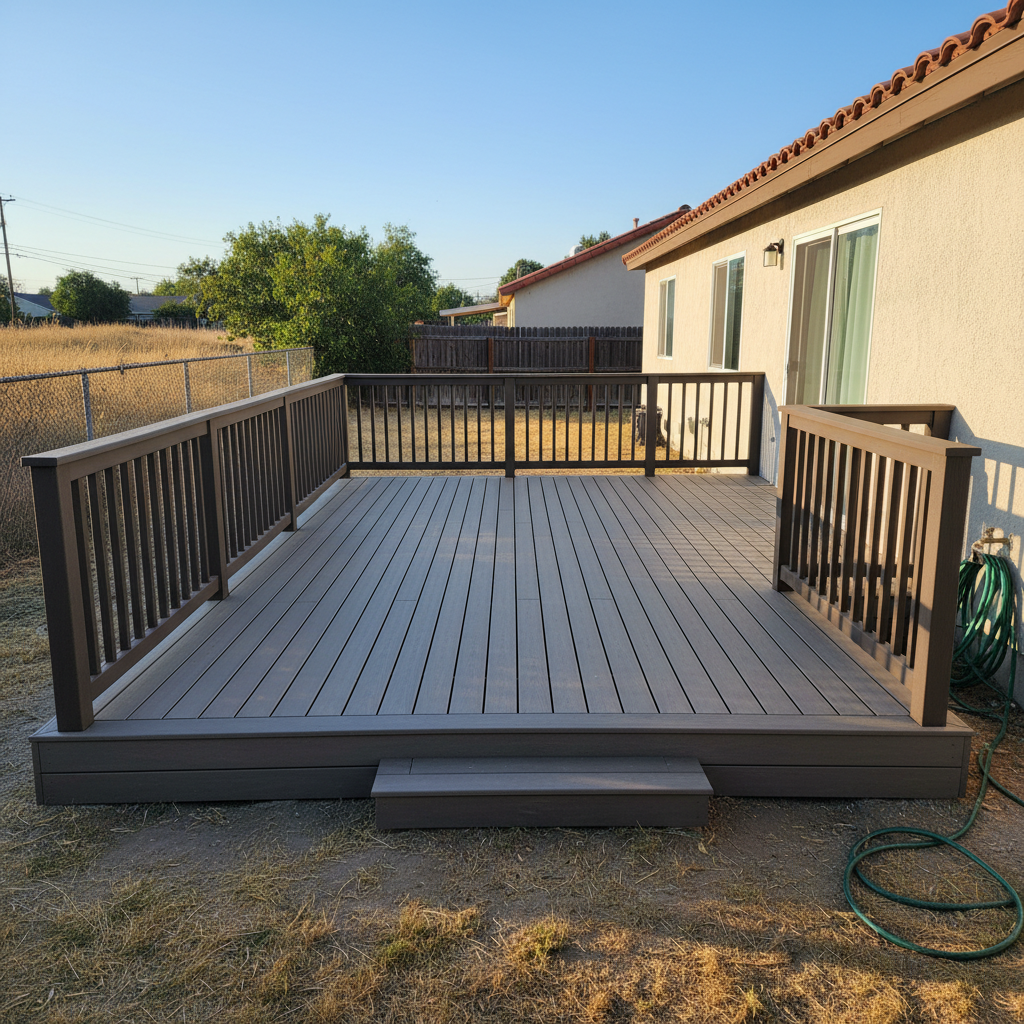
We frame new decks with pressure-treated joists set to span tables, not guesswork, so the deck doesn't bounce when your kids run across it. Footings go to local code depth and bearing, and we flash every ledger board where it ties into the house. Most new decks take one to two weeks depending on size and whether we're pouring footings or using helical piers.
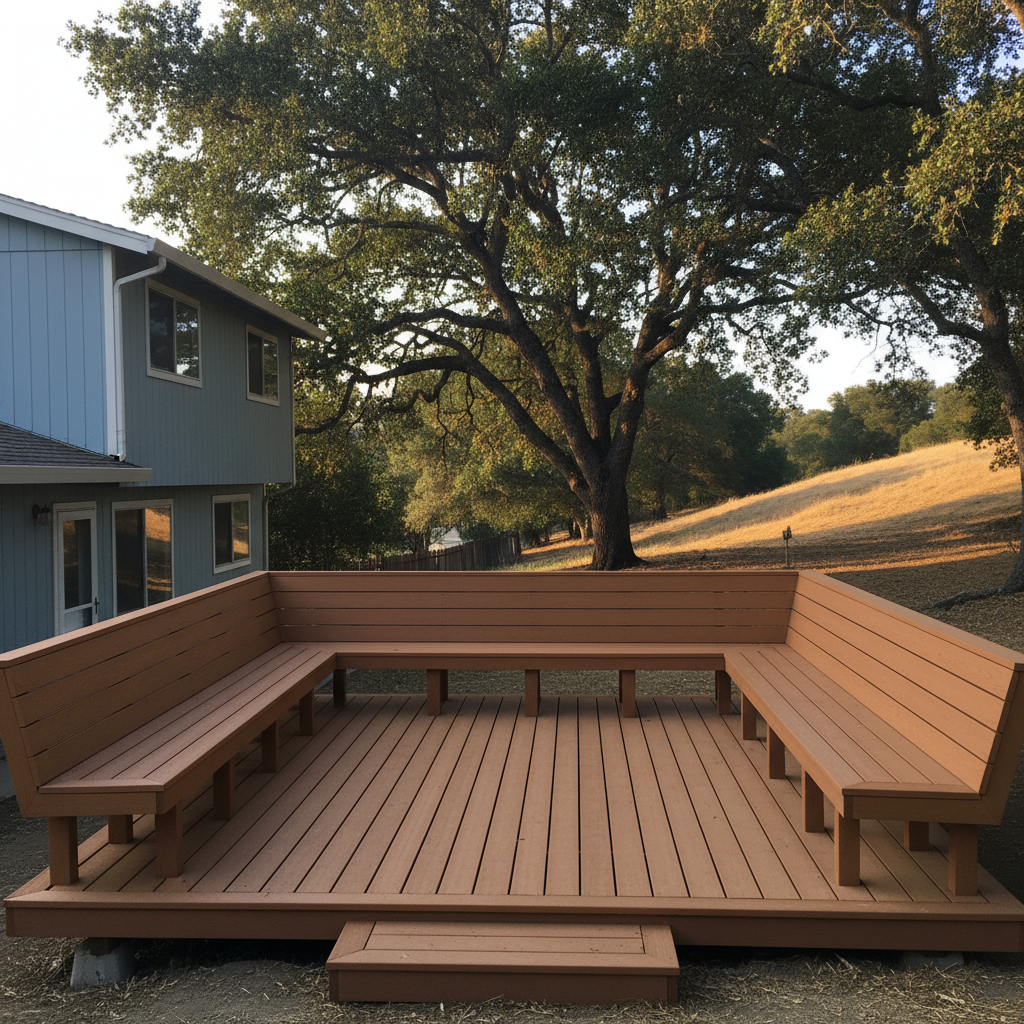
Some decks need to wrap around a pool equipment pad or step down around an existing tree, and that's where a stock plan falls apart. We draw the layout to match your yard, pick board direction and framing to handle the odd angles, and work out railing and stair placement before a single post goes in the ground. You see the plan before we cut anything.
A deck that feels soft underfoot usually has a rotted joist or a ledger board that was never flashed right. We pull up boards to find the actual problem instead of just screwing down the loose ones, then replace framing where the wood has gone punky. Fixing it this way costs more upfront than a quick patch, but it means you're not back here in two years.
Santa Monica sun and salt air strip a deck finish faster than inland weather does, usually in under two years instead of three or four. We pressure wash first, let the wood dry out for a couple of days, then apply a penetrating stain or sealer rated for coastal UV exposure. Skipping the dry time is the most common reason a stain job peels within a season.
Composite boards don't rot, but they still need the right framing underneath, hidden fasteners set correctly, and gaps sized for thermal expansion. We install brands like Trex and TimberTech on joists spaced tighter than code minimum, because composite sags more than wood between supports. It costs more than pressure-treated lumber upfront and a lot less in maintenance over the years.
Loose railings are a code issue, not just a cosmetic one. Most residential code calls for 36 inches of height and baluster spacing that won't pass a 4-inch sphere, and a lot of older decks miss both numbers. We rebuild posts into the framing with through-bolts instead of lag screws into end grain, which is usually why the old railing wobbled in the first place.
If the framing underneath is still sound, you don't need a whole new deck, you need new boards on top of it. We check joists for rot before resurfacing anything, because new decking on bad framing just hides the problem for another year. This is usually the cheaper fix if the structure passes inspection.
Old decks come down board by board or in sections, depending on whether the lumber's salvageable and whether we're hauling it out same day. We check for buried wiring or irrigation lines around the footings before pulling posts. Removal usually takes a day or two for an average-sized deck.
A lot of homeowners add a pergola over an existing deck once they realize the afternoon sun makes it unusable from May through September. We tie the posts into the deck framing or set separate footings, depending on what the existing structure can carry. Louvered and fixed-slat styles both get built to handle wind load, which matters more a few blocks from the ocean.
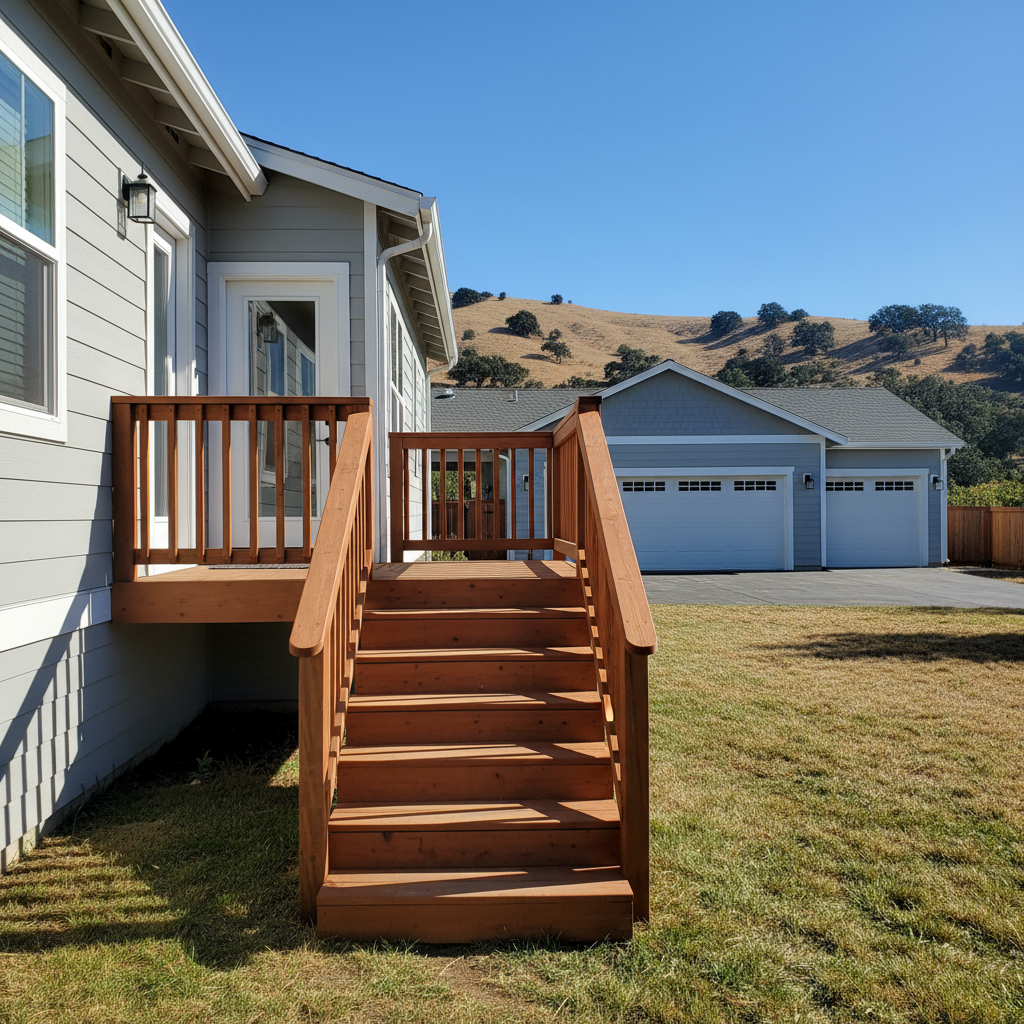
Elevated decks and multi-level builds carry more load and more lateral force than a single ground-level deck, especially on a hillside lot. We size posts and footings for the actual height and loading, not a one-size plan, and stairs between levels get built to consistent rise and run so nobody trips on the one step that's different. These jobs take longer and require a permit almost every time.
Four steps, and no surprises in any of them.
You tell us what you want doing, we look at what is actually there, and we ask the awkward questions early.
In writing, itemised, free. If something might add cost later we flag it now rather than at the end.
Same crew throughout. We cover your floors, keep the dust down and tidy up before we leave each day.
You point out anything you are not happy with and we fix it before the invoice, not after.
We send the same crew whether the job's in Santa Monica or twenty miles inland.
Questions that come up once a project's actually underway.
Describe the problem and we will tell you what it probably is. No obligation.